
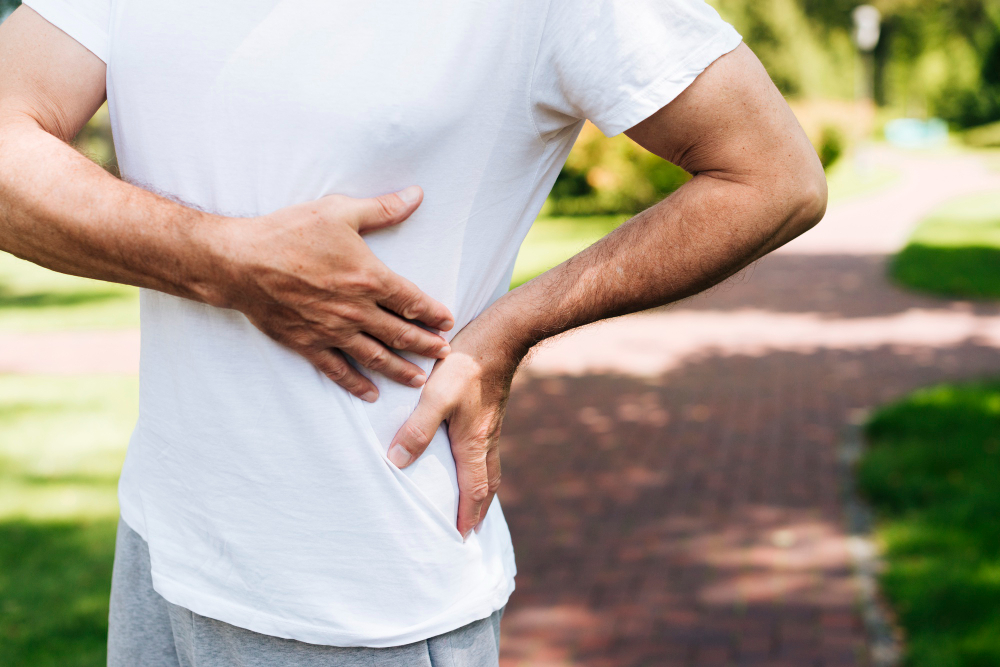
What Are Kidney Stones?
Kidney stones are hard deposits that form inside your kidneys. They are made of minerals and salts. Often, these stones can cause pain and other health problems. Kidney stones are a common issue worldwide. According to the National Kidney Foundation, about one in ten people will have a kidney stone at some point in their life.
Because kidney stones can block the flow of urine, they may lead to infections or kidney damage if not treated. Early detection and care are important for your health.
Symptoms of Kidney Stones
Not all kidney stones cause symptoms. However, when a stone moves or blocks urine flow, you may notice signs. For example, you might feel pain or see changes in your urine. Common kidney stone symptoms include:
If you notice these symptoms, especially severe pain or blood in your urine, seek medical help right away.
Causes and Risk Factors
Kidney stones form when minerals in your urine build up and stick together. Several factors can increase your risk. For instance, not drinking enough water can make stones more likely. Other causes and risk factors include:
Because everyone is different, your risk may depend on your health and lifestyle. The CDC notes that staying hydrated is one of the best ways to lower your risk.
Diagnosis of Kidney Stones
Doctors use several methods to diagnose kidney stones. First, they may ask about your symptoms and medical history. Then, they often use tests to confirm the diagnosis. Common kidney stone diagnosis methods include:
Early diagnosis helps doctors choose the best treatment for you. If you live in an area with limited access to imaging, your doctor may use urine and blood tests first.
Treatment Options
Treatment for kidney stones depends on the size and type of stone. In many cases, small stones pass on their own with extra fluids and pain relief. However, larger stones may need more help. Treatment options include:
Your doctor will choose the best treatment based on your needs. According to the American Urological Association, most stones can be treated without surgery.
Prevention Tips
Preventing kidney stones is possible for many people. Because lifestyle plays a big role, small changes can make a big difference. Here are some tips on how to prevent kidney stones:
Because everyone’s risk is different, ask your doctor for advice that fits your needs.
When to See a Doctor
Sometimes, kidney stones can cause serious problems. You should see a doctor if you have:
Early treatment can prevent complications. If you are unsure, it is always better to seek medical advice.
Consult Dr. Sudeep for personalised advice and expert care on kidney stones.