What is Ectopic Pregnancy?
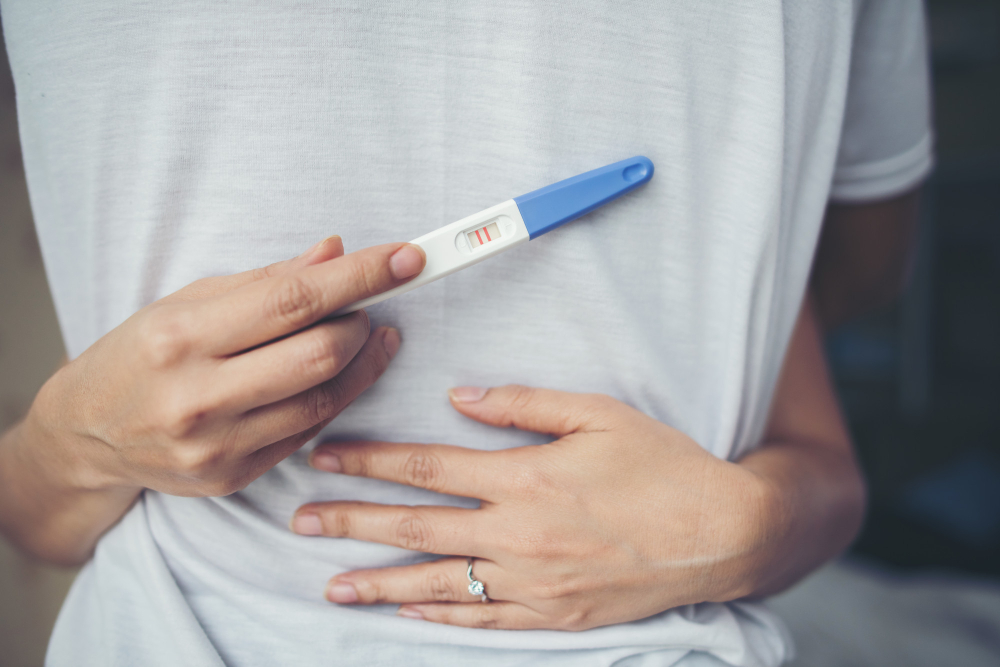
Ectopic pregnancy happens when a fertilized egg grows outside the uterus. Most often, it occurs in a fallopian tube. Because the egg cannot grow properly outside the uterus, this condition is dangerous. In fact, it can cause serious health problems if not treated quickly. According to the CDC, ectopic pregnancies occur in about 1 out of every 50 pregnancies.
Common Symptoms
Early signs of ectopic pregnancy can be hard to spot. However, some symptoms may appear within the first few weeks. It is important to know these signs so you can get help fast.
Sometimes, these symptoms may seem like other health problems. But if you notice them, especially after missing a period, you should see a doctor right away.
Causes and Risk Factors
There are several reasons why an ectopic pregnancy may happen. Often, it is due to a problem with the fallopian tubes. For example, if the tube is blocked or damaged, the egg cannot reach the uterus. As a result, it starts to grow in the wrong place.
Some risk factors include:
Even so, many women with no risk factors can still have an ectopic pregnancy.
How Ectopic Pregnancy is Diagnosed
Doctors use several steps to diagnose ectopic pregnancy. First, they ask about your symptoms and medical history. Next, they may do a physical exam. However, to confirm the diagnosis, doctors often use:
Sometimes, more than one test is needed. Early diagnosis is important because it helps prevent serious problems.
Treatment Options
Treatment for ectopic pregnancy depends on how early it is found and your health. There are two main options:
After treatment, you will need follow-up visits. This helps make sure your body is healing well.
Prevention and Lifestyle Guidance
While you cannot always prevent ectopic pregnancy, you can lower your risk. For example, you can:
Living a healthy lifestyle supports your overall reproductive health. Even so, some cases cannot be prevented.
When to Seek Medical Help
If you have early signs of an ectopic pregnancy, seek help right away. For instance, if you experience sharp abdominal pain, heavy bleeding, or feel faint, contact your doctor or go to the emergency room immediately. Quick treatment can save your life and protect your health.
If you suspect an ectopic pregnancy, consult Dr. Sudeep for immediate evaluation, personalised care, and expert guidance.