What is Diabetes?
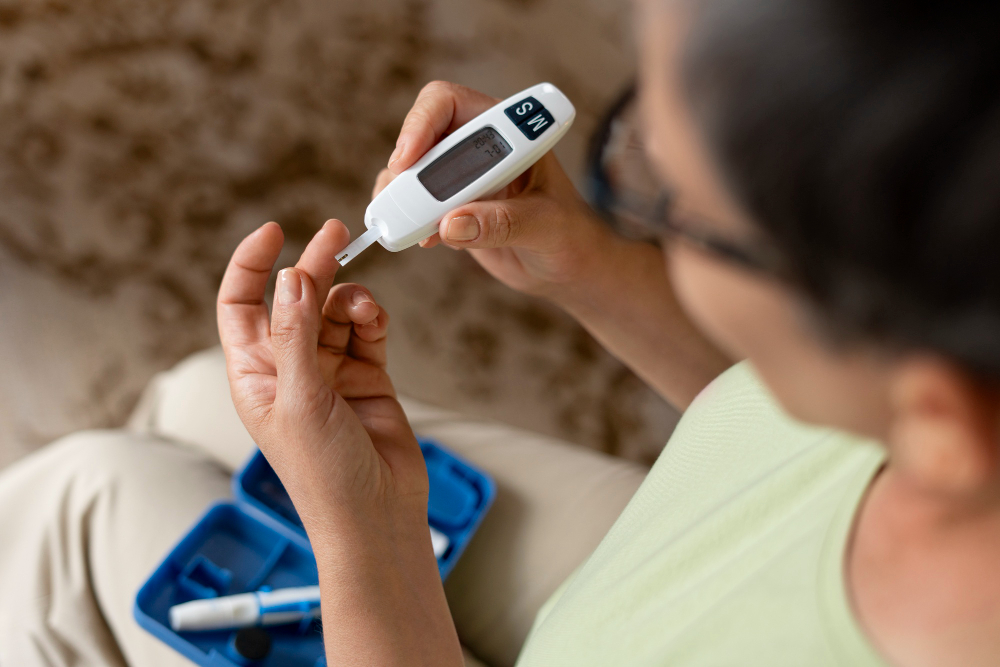
Diabetes is a long-term health condition that affects how your body uses sugar. Many people around the world live with diabetes. This condition can cause high blood sugar levels, which may lead to health problems if not managed well. Because diabetes is common, it is important to know about diabetes symptoms, treatment options, and how to prevent diabetes. Learning more can help you or your loved ones stay healthy.
Common Symptoms of Diabetes
Often, diabetes symptoms can be mild at first. However, they may become more noticeable over time. Knowing the signs can help you get care early. Here are some common symptoms:
If you notice these symptoms, it is wise to talk to your doctor. Early care can help prevent problems.
Causes and Risk Factors
There are different types of diabetes. The two main types are type 1 and type 2. Type 1 diabetes happens when the body stops making insulin. Insulin is a hormone that helps control blood sugar. Type 2 diabetes happens when the body does not use insulin well. Several factors can raise your risk:
While some risk factors, like age or family history, cannot be changed, others can be managed with healthy choices.
How Diabetes is Diagnosed
Doctors use simple tests to check for diabetes. Early diagnosis is important. Here are common ways diabetes is diagnosed:
If your results are high, your doctor may repeat tests to confirm the diagnosis. Early testing can help you start treatment sooner.
Treatment Options for Diabetes
Managing diabetes is possible with the right care. Treatment depends on the type of diabetes and your health needs. Here are common diabetes treatment options:
With support from your healthcare team, you can find the best plan for you. In some areas, diabetes care centers offer extra support and education.
Lifestyle Tips and Management
Living well with diabetes means making healthy choices every day. Even small changes can make a big difference. Try these tips:
Because everyone is different, your doctor can help you create a plan that fits your life.
Prevention Strategies
Although type 1 diabetes cannot be prevented, type 2 diabetes can often be delayed or avoided. Here are some ways to lower your risk:
By making these changes, you can protect your health and reduce your chances of developing diabetes.
When to See a Doctor
If you notice diabetes symptoms or have risk factors, it is important to see a doctor. Early care can help you avoid serious problems. You should also visit your doctor if:
Regular check-ups help you stay on track with your diabetes management plan.
For personalized advice on managing diabetes, consult a healthcare professional at Heal and Health Hospital. Early action can help you live a healthier, happier life.