
Introduction to Lap Cholecystectomy
Lap cholecystectomy is a common surgery to remove the gallbladder. Doctors often call it minimally invasive gallbladder removal. Many people need this procedure when they have gallstones or gallbladder disease. In most cases, lap cholecystectomy helps relieve pain and prevent future problems. If you are considering this surgery, it is important to know what to expect.
What Is Lap Cholecystectomy?
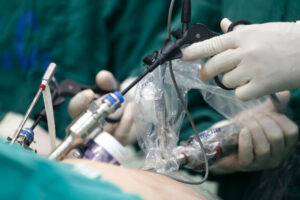
Lap cholecystectomy means removing the gallbladder using small cuts and a camera. Surgeons use special tools and a thin tube with a camera, called a laparoscope. This method is less invasive than open surgery. As a result, patients often recover faster and have less pain.
Why Is Lap Cholecystectomy Needed?
Doctors recommend lap cholecystectomy for several reasons. Most often, it is due to gallstones causing pain or infection. Sometimes, the gallbladder does not work well and causes ongoing symptoms. In rare cases, doctors suggest surgery for other gallbladder problems.
Symptoms Leading to Surgery
Many people experience symptoms before needing lap cholecystectomy. These signs often include:
If you notice these symptoms, you should see a doctor. Early treatment can prevent serious problems.
How Is the Procedure Performed?
During lap cholecystectomy, the surgeon makes a few small cuts in your belly. Next, they insert a camera and special tools through these cuts. The camera sends images to a screen, helping the surgeon see inside. Then, the surgeon carefully removes the gallbladder. Afterward, the cuts are closed with stitches or surgical glue. Most people go home the same day or the next day.
Benefits of Laparoscopic Over Open Surgery
Lap cholecystectomy offers many advantages compared to open surgery. For example:
Because of these benefits, most doctors prefer the laparoscopic method when possible.
Risks and Possible Complications
Although lap cholecystectomy is safe, every surgery has risks. However, serious problems are rare. Possible risks include:
Your surgeon will discuss these risks before the procedure. Most people recover without any major issues.
Recovery Process and Aftercare
After lap cholecystectomy, recovery is usually quick. Most people can walk the same day. You may feel sore for a few days, but this gets better with time. Usually, you can return to light activities within a week. However, avoid heavy lifting for at least two weeks. Your doctor will give you clear instructions for care at home.
Tips for a Smooth Recovery
Prevention and Lifestyle Advice After Surgery
Once your gallbladder is removed, you can live a normal life. However, some people notice changes in digestion. To help your body adjust, try these tips:
These steps can help prevent stomach upset and support your recovery.
Conclusion
Lap cholecystectomy is a safe and effective way to treat gallbladder problems. Because it is minimally invasive, most people recover quickly and feel better soon. If you have symptoms or need more information, consult a qualified surgeon at Heal and Health Hospital for personalized advice about lap cholecystectomy.