Introduction
Hypertension, also known as high blood pressure, is a common health problem. It happens when the force of blood against your artery walls stays too high for a long time. Because hypertension often has no clear symptoms, many people do not know they have it. However, untreated high blood pressure can lead to serious health issues, such as heart disease and stroke. For this reason, it is important to understand hypertension and how to manage it.
Symptoms of Hypertension
Most people with hypertension do not notice any symptoms. In fact, it is often called the “silent killer.” Still, some people may experience signs, especially if blood pressure is very high. For example, you might notice:
However, these symptoms can also be caused by other health problems. Therefore, regular blood pressure checks are important.
Causes and Risk Factors
There are many reasons why someone might develop hypertension. Sometimes, the cause is not clear. But often, certain factors raise your risk. For instance, you are more likely to get high blood pressure if you:
Because some risk factors cannot be changed, it is important to focus on what you can control.
How Hypertension is Diagnosed
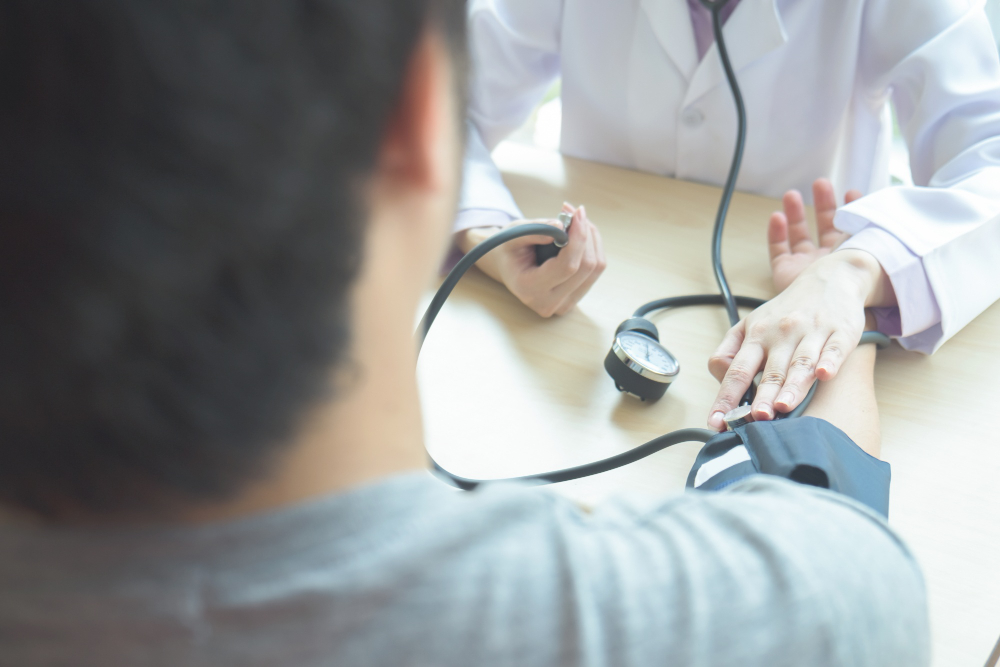
Doctors diagnose hypertension by measuring your blood pressure. Usually, this is done with a simple arm cuff. For an accurate diagnosis, your doctor may check your blood pressure several times on different days. Sometimes, you may need to wear a monitor at home. According to the CDC, a normal blood pressure reading is below 120/80 mmHg. If your numbers are higher, your doctor may talk to you about treatment options.
Treatment Options
There are several ways to treat hypertension. Your doctor will choose the best plan for you. Often, treatment includes:
Sometimes, you may need more than one medicine. However, with the right treatment, most people can control their blood pressure.
Lifestyle Changes and Prevention Tips
Making healthy choices can help prevent or manage hypertension. For example, you can:
Because small changes can make a big difference, start with one or two steps and build from there.
When to See a Doctor
If you have high blood pressure readings or notice symptoms like severe headaches or chest pain, see a doctor right away. Also, if you have risk factors for hypertension, ask your doctor about regular screenings. Early detection and treatment can prevent serious problems.
For personalized advice on managing hypertension, consult a healthcare professional. Your doctor can help you find the best plan for your needs.