Introduction
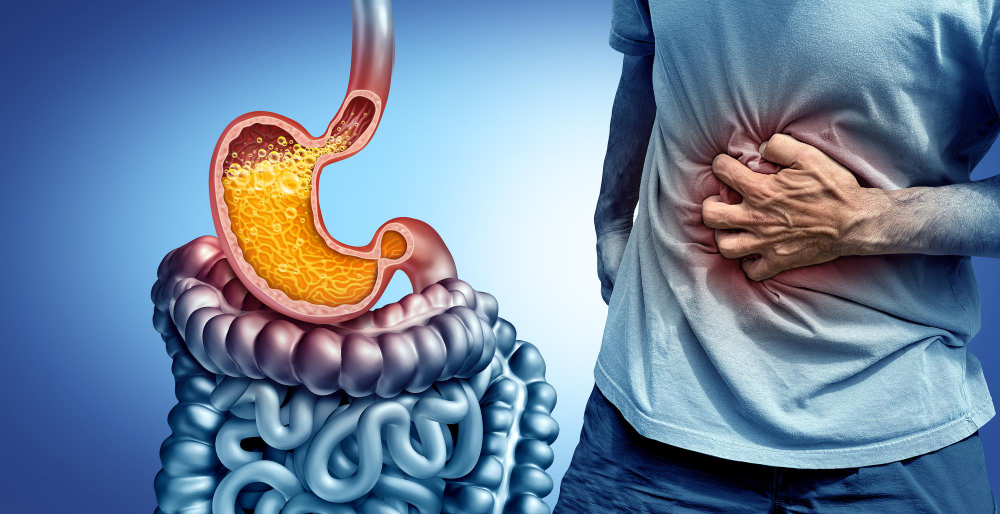
GERD, or gastroesophageal reflux disease, is a common digestive problem. It happens when acid from the stomach moves up into the food pipe. This can cause discomfort and other health issues. Many people experience GERD, but not everyone knows how to manage it. Because GERD can affect daily life, it is important to understand its symptoms, causes, and treatment options. In this blog, you will learn about acid reflux, heartburn, GERD treatment, and ways to prevent GERD. All information is based on trusted sources like the CDC and WHO.
Symptoms of GERD
GERD can cause several uncomfortable symptoms. Some people may notice symptoms every day, while others may have them only sometimes. However, knowing the signs can help you seek help early. Common symptoms include:
Sometimes, GERD symptoms can be mild. But for some, they can be severe and affect sleep or daily activities. If you notice these signs often, it is wise to talk to a doctor.
Common Causes of GERD
Several factors can lead to GERD. While some causes are related to lifestyle, others may be due to health conditions. Understanding these causes can help in preventing GERD. Here are some common reasons:
Because these factors can often be changed, making healthy choices can lower your risk of GERD.
How GERD is Diagnosed
Doctors use several methods to diagnose GERD. First, they may ask about your symptoms and medical history. Next, they might suggest tests to confirm the diagnosis. Common tests include:
Sometimes, doctors may try GERD treatment first to see if symptoms improve. If they do, this can help confirm the diagnosis. Always follow your doctor’s advice for the best results.
Treatment Options for GERD
There are many ways to treat GERD. The right treatment depends on how severe your symptoms are. Often, doctors start with lifestyle changes. If these do not help, medicines or other treatments may be needed. Here are common GERD treatment options:
Because each person is different, your doctor will help choose the best treatment for you. Always take medicines as directed and report any side effects.
Lifestyle Tips and Prevention Strategies for GERD
Making small changes in your daily habits can help prevent GERD or reduce its symptoms. Here are some helpful tips:
Because prevention is easier than treatment, these steps can make a big difference. If you are unsure which changes to make, ask your healthcare provider for advice.
When to See a Doctor
While mild GERD can often be managed at home, some signs mean you should see a doctor. For example, if you have chest pain, trouble swallowing, or lose weight without trying, seek help right away. Also, if your symptoms do not improve with treatment, it is important to get checked. Early care can prevent serious problems, such as damage to the food pipe.
In summary, GERD is a common but manageable condition. With the right knowledge and care, you can reduce symptoms and improve your quality of life. Consult a healthcare professional for personalized advice on managing GERD.